Skip To Content

Accra

About Our Work in Accra

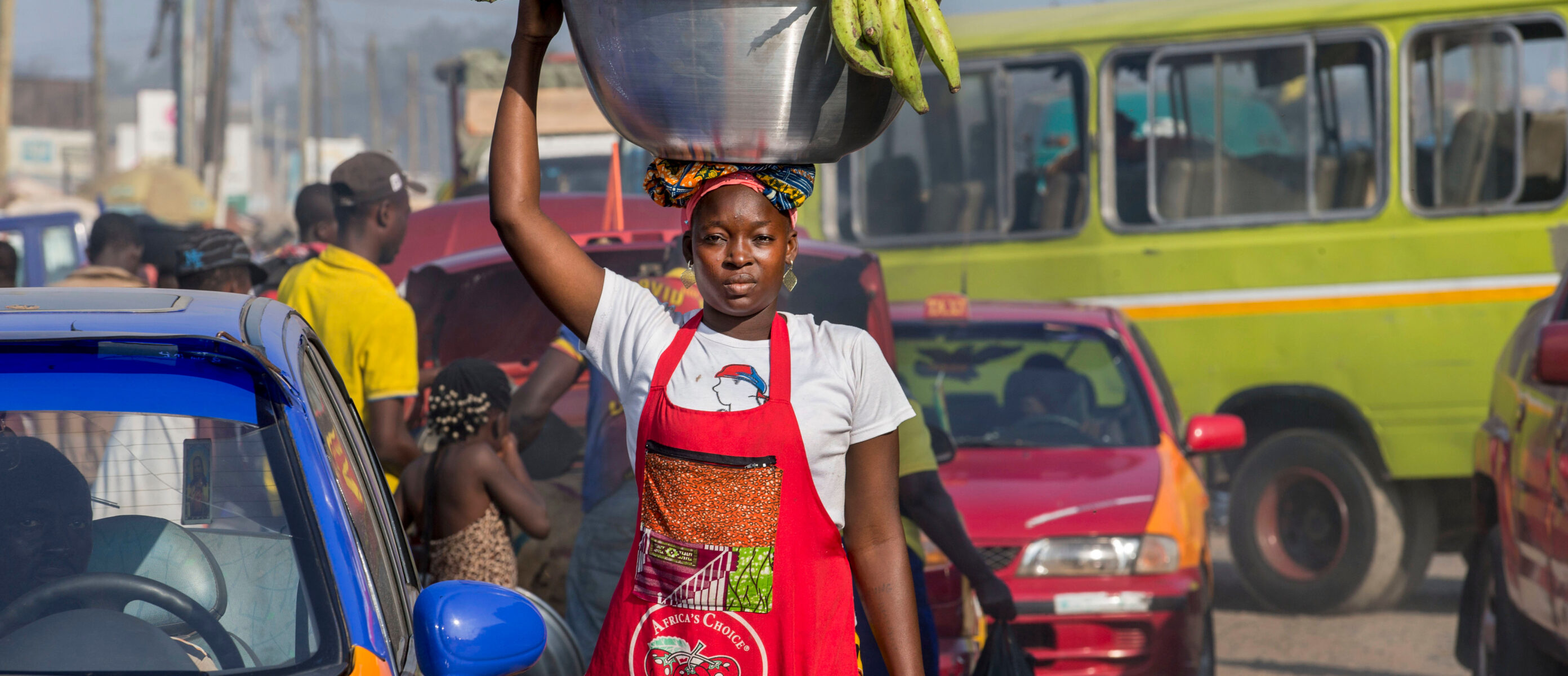
In Accra, since 2010, WIEGO has been supporting a local network of workers’ organizations representing street vendors, market traders, waste pickers and kayayei (female head porters) to secure increased rights and protections and supportive policies.

Goals What Are We Working to Achieve?

  • Women in informal employment are often faced with the difficult task of caring for their young children while trying to earn a livelihood, with little or no options for child-care support. WIEGO has worked to build bridges between market traders and city officials to achieve greater understanding of the barriers to child-care access and to co-create solutions. WIEGO facilitated a multi-stakeholder, participatory process that resulted in a set of national guidelines for the governance and management of child-care centres in urban informal markets. These draw directly on the contributions of workers in informal employment and aim to provide a roadmap for high-quality, accessible care that responds to worker needs. WIEGO continues to play a facilitative role in the implementation of the guidelines and seeks to promote similar participatory processes in other municipalities.

    Publication

    Women Informal Traders and Child Care during the COVID-19 Pandemic: Findings from Accra, Durban and Nakuru

    Read More
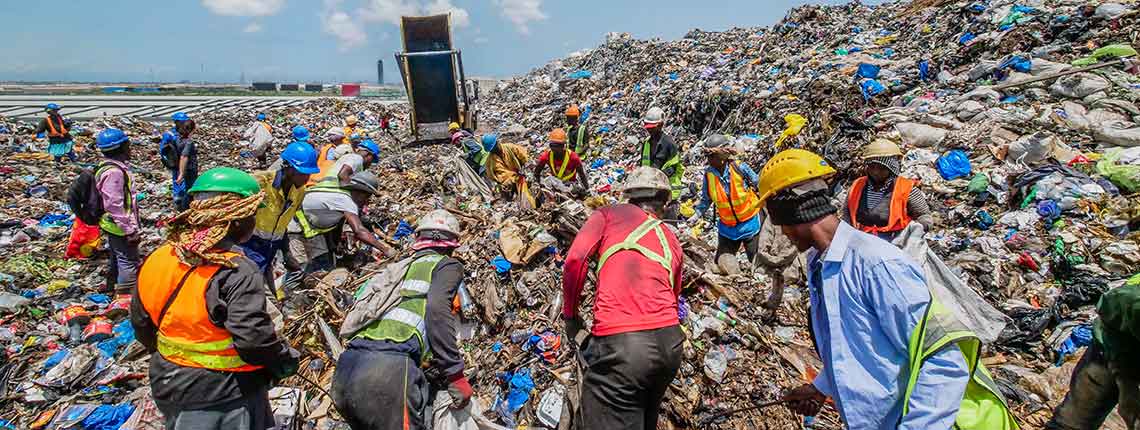
  • Waste pickers in Accra are threatened by waste modernization projects that do not include them as stakeholders and that will eventually displace them from sites of work on landfills. WIEGO supports organized waste pickers in Accra to secure a seat at the table in defining how their livelihoods should be protected in these projects. This includes support to articulate proposals for integration into the solid waste management system on secure and supportive terms, including through cooperative formation and doorstep collection. WIEGO’s support also involves capacity building in collective bargaining for waste picker leaders to advocate on the basis of these proposals with local government, and to represent the sector’s interests in discussions around national waste policy, including extended producer responsibility policies.

    Waste pickers collecting recyclables on Kpone Landfill in Accra, Ghana
    Post

    Ghanaian government leaves waste pickers to fend for themselves amidst COVID-19 pandemic

    Read More
    Play Video

    Feeding Families: Meet Grace from Ghana

  • WIEGO supports street vendors and market traders in coming together to make demands for infrastructure improvements in Accra’s famous markets – including electrical improvements, modernizing of drainage systems, adding water points and more. This has led to improvements in the occupational health and safety of markets, but much remains to be done. WIEGO’s research on taxation of workers in informal employment aims to provide traders with evidence to strengthen their calls for greater public financing to support child-care services and other public infrastructure needs in markets.

  • Workers in Accra’s informal sector pay a range of taxes and fees to both their local government authority and to the national revenue authority. These taxes and fees, however, are often regressive (unfair) and place a particularly large burden on the most vulnerable workers, many of whom are women. Since 2019, WIEGO has been doing research on taxation in Accra and, most recently, secured a five year grant through the Co-Impact Foundation.

    The ongoing work is concerned with two main activities. The first is producing policy relevant research in collaboration with the revenue authority and local government. The second is improving the capacity of workers to engage directly with policymakers to improve the design of tax systems. More specifically, WIEGO’s research on taxation of workers in informal employment aims to provide traders with evidence to strengthen their calls for greater public financing to support child-care services and other public infrastructure needs in markets.

How We Work

  • Research

    We coordinate and support action research, statistical and budget analysis, and good-practice documentation to ensure workers have a strong evidence base to support their advocacy.

  • Support to Workers’ Organizations

    We build capacity and organizational strength through skills training, leadership development, coaching and overall support to membership-based organizations of workers in informal employment in areas they identify as priorities.


  • Policy Advocacy

    We walk alongside workers organizations to co-create innovative proposals for policy change, drawing on both lived experiences and technical knowledge of their sectors. We bring together workers’ organizations and allies in advocacy efforts to engage government and other stakeholders on these proposals and fight for reforms.

The Latest Statistics on Work in the Informal Economy in Accra

WIEGO does groundbreaking statistical work to help policymakers and workers understand the size and characteristics of the informal economy in cities across the world.


Access the latest statistics
  • 1,312,378

    Workers in informal employment in Greater Accra

  • 83%

    Of total employment in Greater Accra is informal

  • 87%

    of women’s employment in Greater Accra is informal, while 79% of men’s employment is informal