

All posts in Africa
-
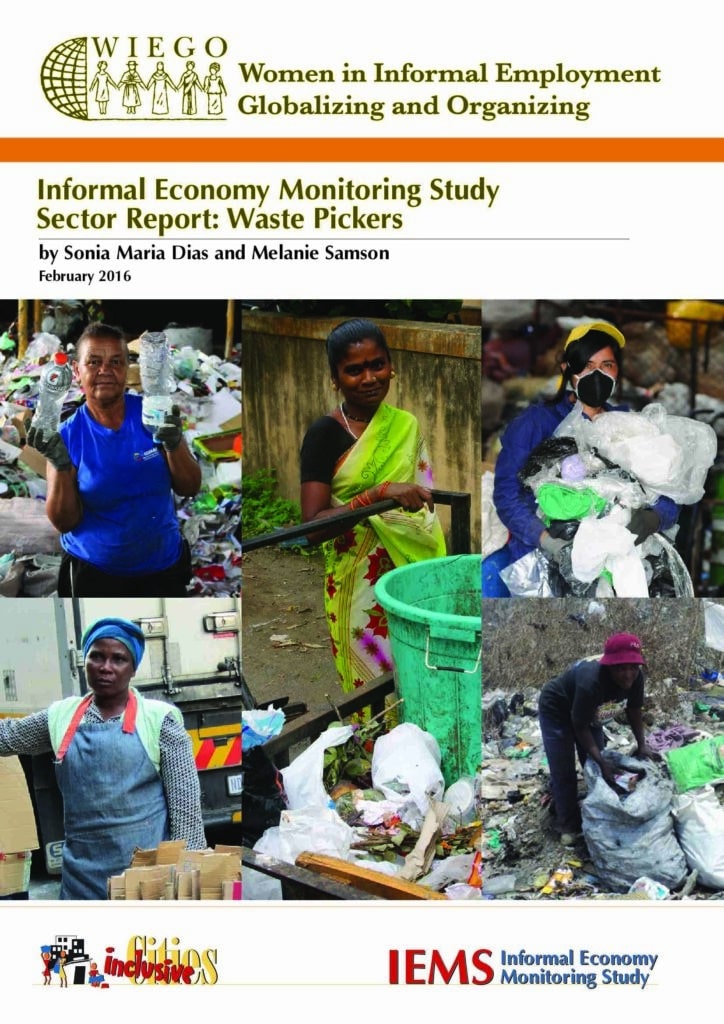 Research Reports
Informal Economy Monitoring Study Sector Report: Waste Pickers
Waste pickers are one of the three urban informal worker groups – along with street vendors and home-based workers – who are the focus of...
Read More -
 Books & Book Chapters
Informality and Inclusive Green Growth
Read More -
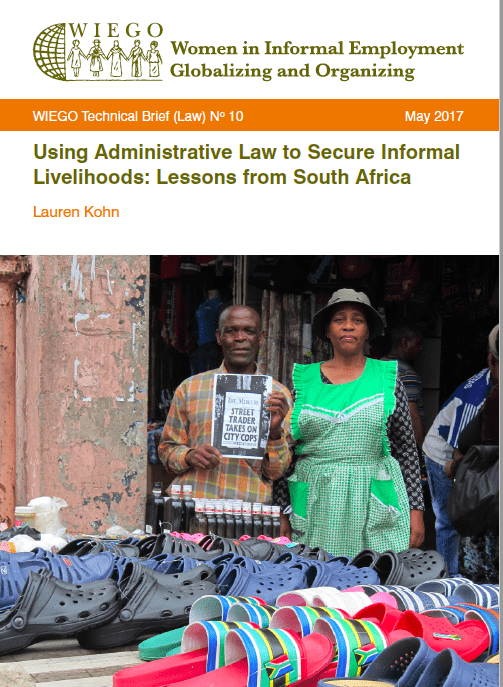 Technical Briefs
Using Administrative Law to Secure Informal Livelihoods: Lessons from South Africa
Although informal workers make up the broad base of the work force in many countries, legal frameworks often fail to protect and support...
Read More -
Journal Articles
Sustainable Urban Livelihoods and Marketplace Social Capital: Crisis and Strategy in Petty Trade
Abstract:
Read More -
 Journal Articles
Education and earnings in urban West Africa
Read More -
 Working Papers
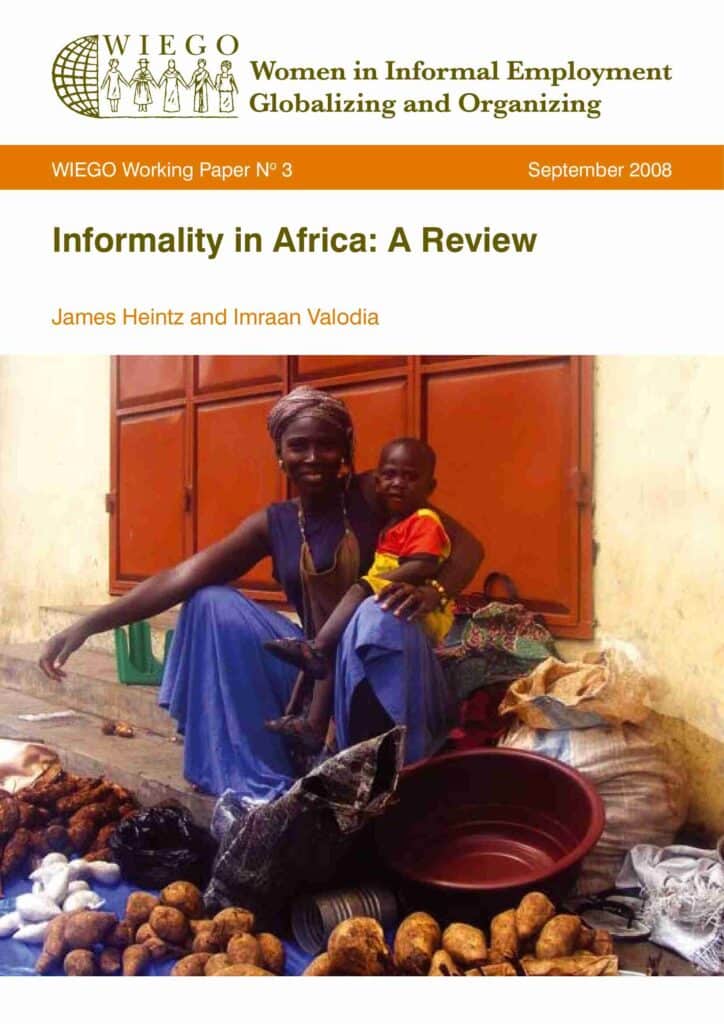
Informality in Africa: A Review
This paper examines the realities of informal employment in sub-Saharan Africa, where a significant proportion of employment activity and...
Read More -
Journal Articles
Injury Morbidity in an Urban and a Rural Area in Tanzania: an Epidemiological Survey
Background: Injuries are becoming a major health problem in developing countries. Few population based studies have been carried out in African...
Read More -
 Policy Briefs
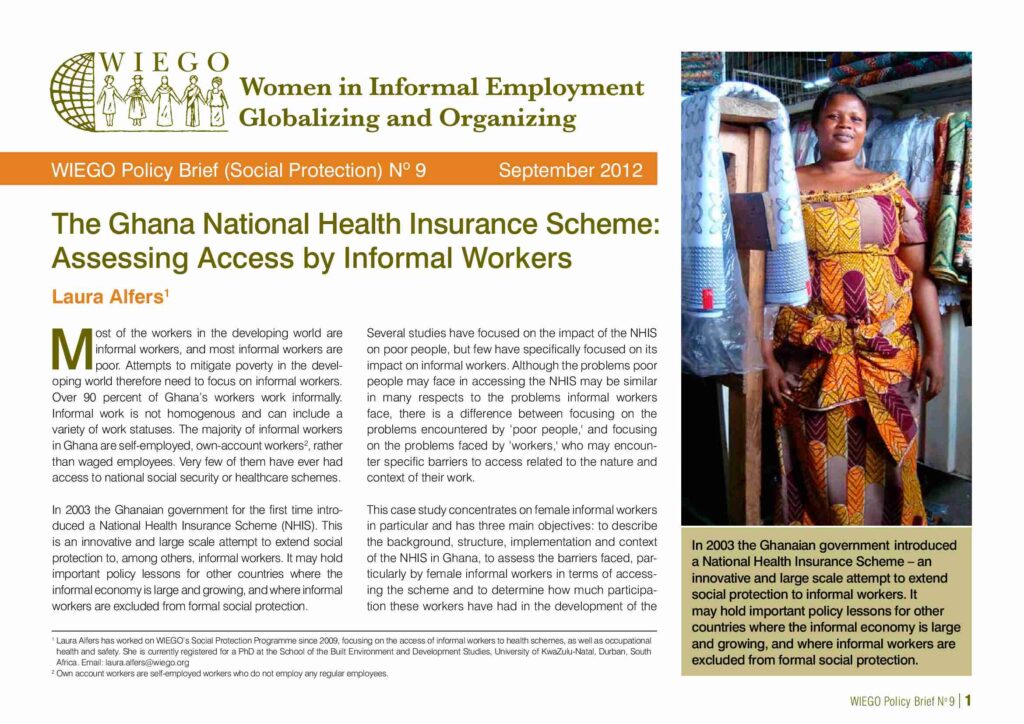
The Ghana National Health Insurance Scheme: Assessing Access by Informal Workers
In 2003 the Ghanaian government introduced, a National Health Insurance Scheme (NHIS) – an, innovative and large scale attempt to extend,...
Read More -
 Research Reports
City Report – Informal Economy Monitoring Study: Waste Pickers in Nakuru, Kenya
Read More -
 Budget Briefs
Budgeting and the Informal Economy in Accra, Ghana
About 86 per cent of Ghanaian workers work in the informal economy but together they earn only 40 per cent of national income. This is because...
Read More