Skip To Content

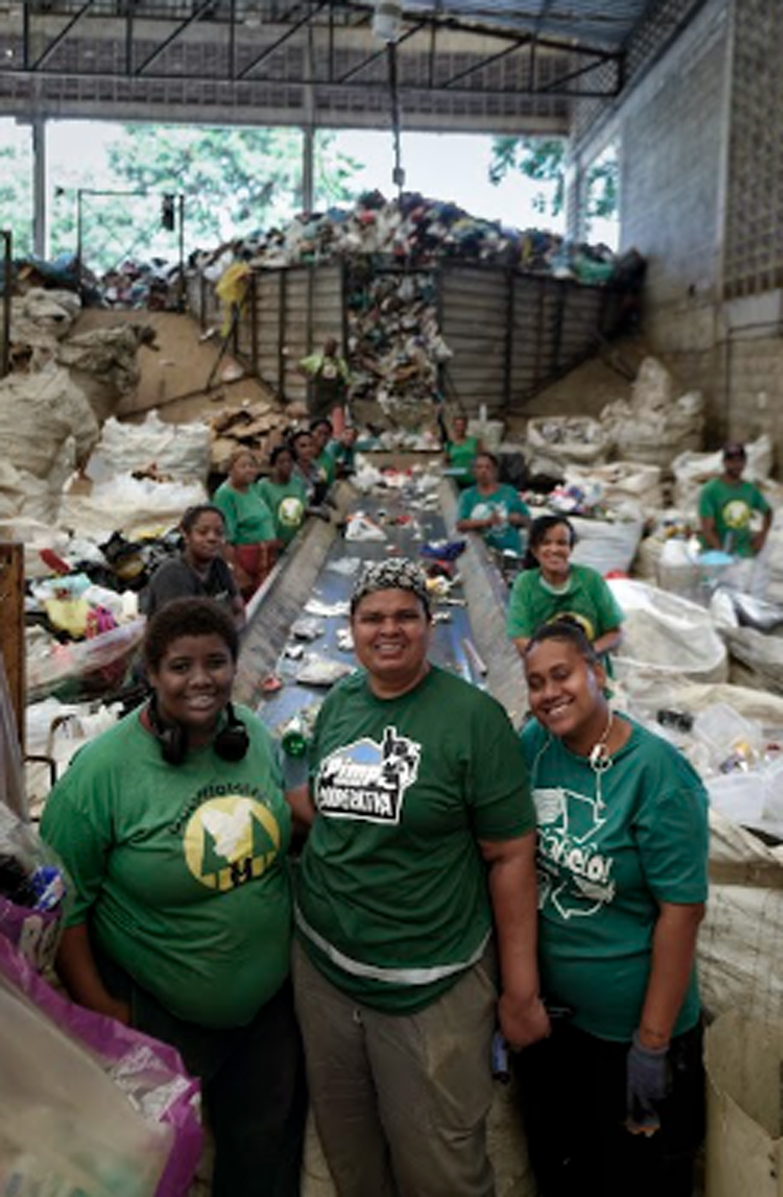
Waste pickers’ cooperatives provide an essential service to cities, but their workspaces are also among the most vulnerable to extreme weather events. Sorting area at Coopesol Leste, Belo Horizonte, Minas Gerais, Brazil. Photo: Ana Caroline de Lima, April 2026.

The consequences of climate change are already being felt in Brazilian cities, with flooded streets, landslides, and heat waves. For waste pickers, these events also directly affect their workplaces, which often have precarious infrastructure. Despite the growing visibility of the issue in recent years, the conditions waste pickers face are still given little consideration in climate adaptation and resilience policies.

Waste pickers recover tons of waste that would otherwise go to landfills, reduce greenhouse gas emissions, and play a vital role in the circular economy. At the same time, they work in warehouses with structural limitations and little capacity to withstand extreme weather events.

WIEGO research already shows that the impacts of extreme heat and heavy rain are part of these workers’ reality. To deepen this knowledge, WIEGO developed, with support from the Brazilian Association of the Personal Hygiene, Perfumery and Cosmetics Industry (Associação Brasileira da Indústria de Higiene Pessoal, Perfumaria e Cosméticos, ABIHPEC), a participatory monitoring system that follows 16 cooperatives in six Brazilian cities, linking climate events to their impacts on infrastructure, working conditions, and waste pickers’ livelihoods.

The worry starts before the rain

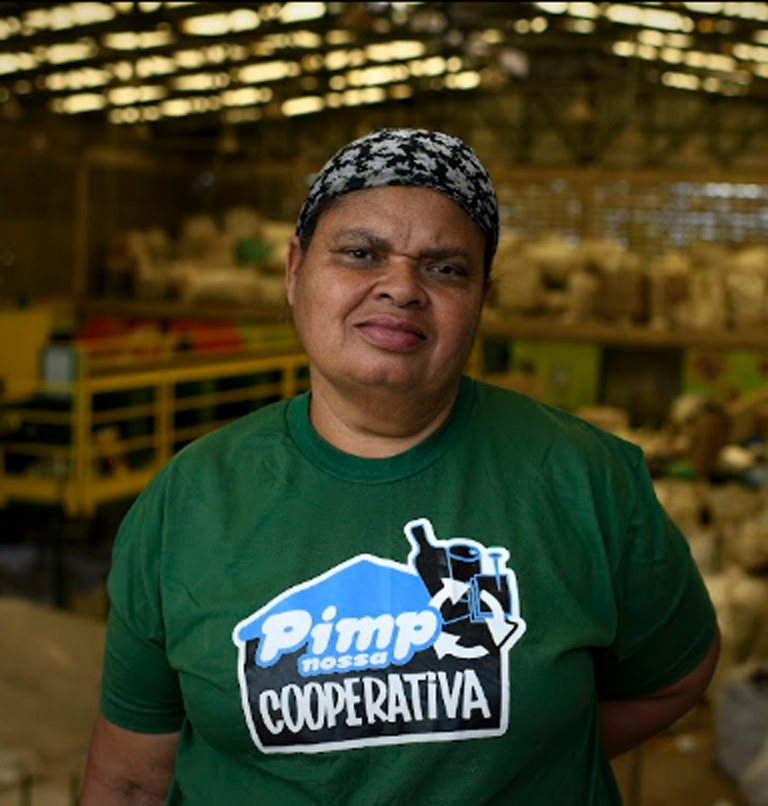
As one of Coopesol Leste’s leaders, Vilma Estevam deals every day with the challenges the cooperative faces as extreme weather events become more frequent. Photo: Ana Caroline de Lima, 2026

“What worries me today is this heavy rain that is coming. The warehouse keeps flooding, and we have lots of cracks in the walls (…) I worry because everything seems fine and then, suddenly, a tragedy happens. Does it really take a tragedy for something to be done?” Vilma Estevam, president of Coopesol Leste, during project monitoring (March 2026)

Vilma Estevam was not yet talking about a heavy downpour or an extreme event that had severely affected her work; she was talking about the possibility, the risk the cooperative faces every day. As she followed the weather forecast, she looked at the cracks in the warehouse walls and floor and tried to imagine how the structure would hold up if the rain actually came.

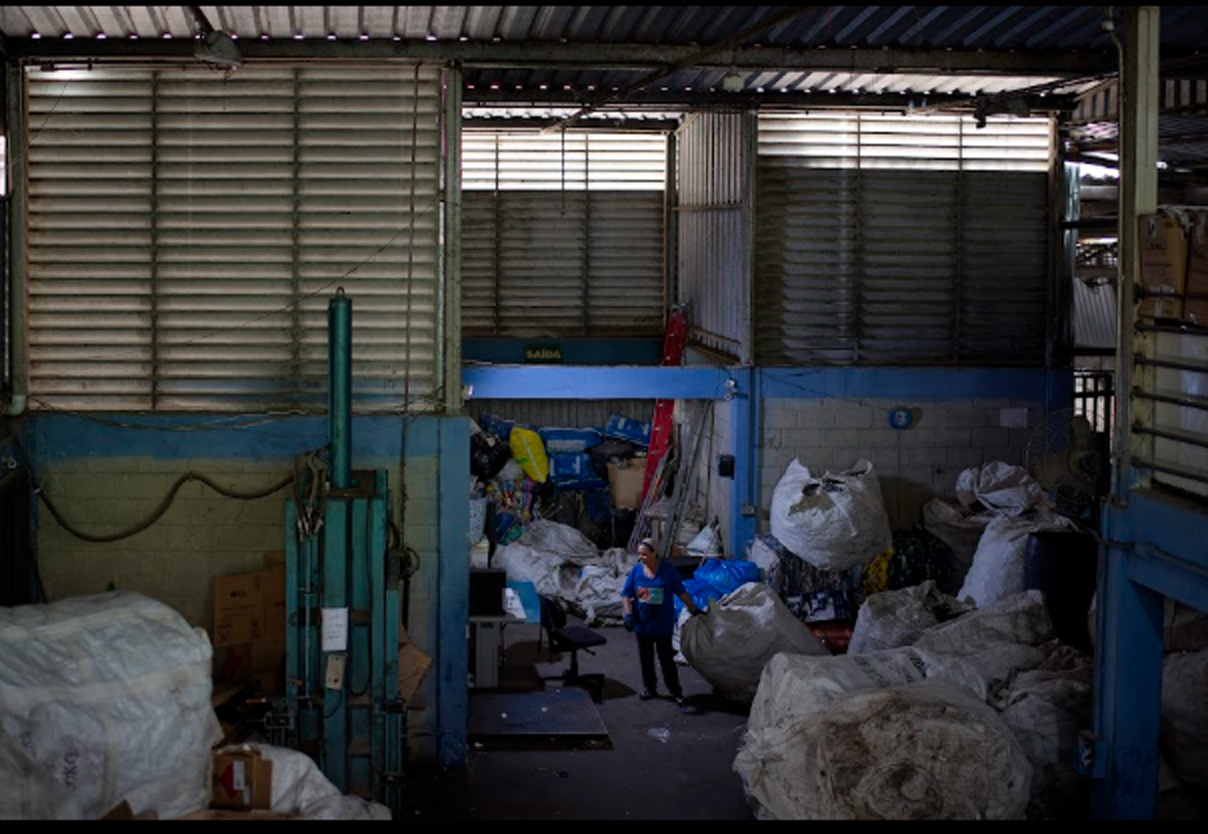
The Belo Horizonte City Hall is the owner of the cooperative’s warehouse, and the city’s Urban Cleaning Authority (Superintendência de Limpeza Urbana) is responsible for its structural maintenance. Despite requests from the cooperative, backed by a risk assessment issued by the Civil Defense, the repairs have not yet been carried out due to bureaucratic and financial issues. In the meantime, the waste pickers themselves have resorted to stopgap solutions, such as closing off high-risk areas of the warehouse and pausing work when it rains.

Vilma’s concern goes beyond safety inside the warehouse. Many waste pickers live in outlying neighborhoods and informal settlements, where rain can also damage their homes and disrupt their commute to work. In Florianópolis, after an episode of heavy rain, almost 90% of a cooperative’s workers did not come to work, and sorting was halted for two days.

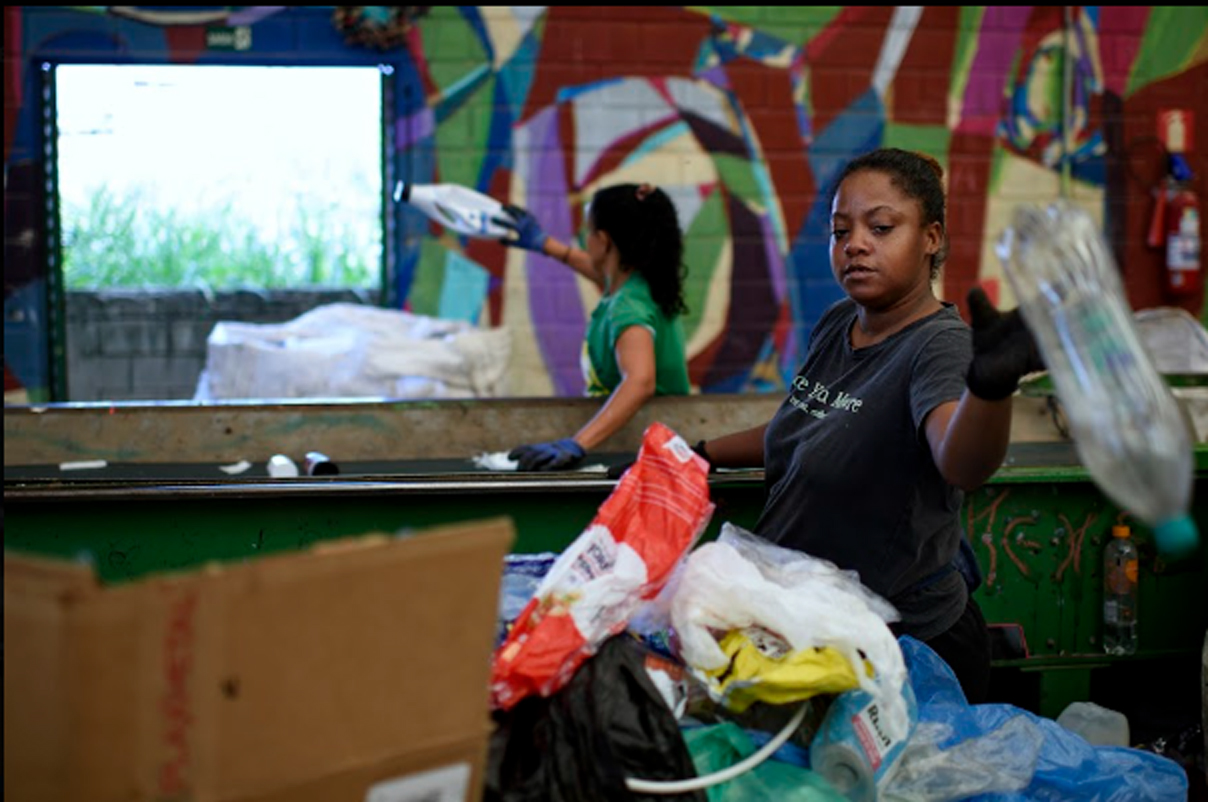
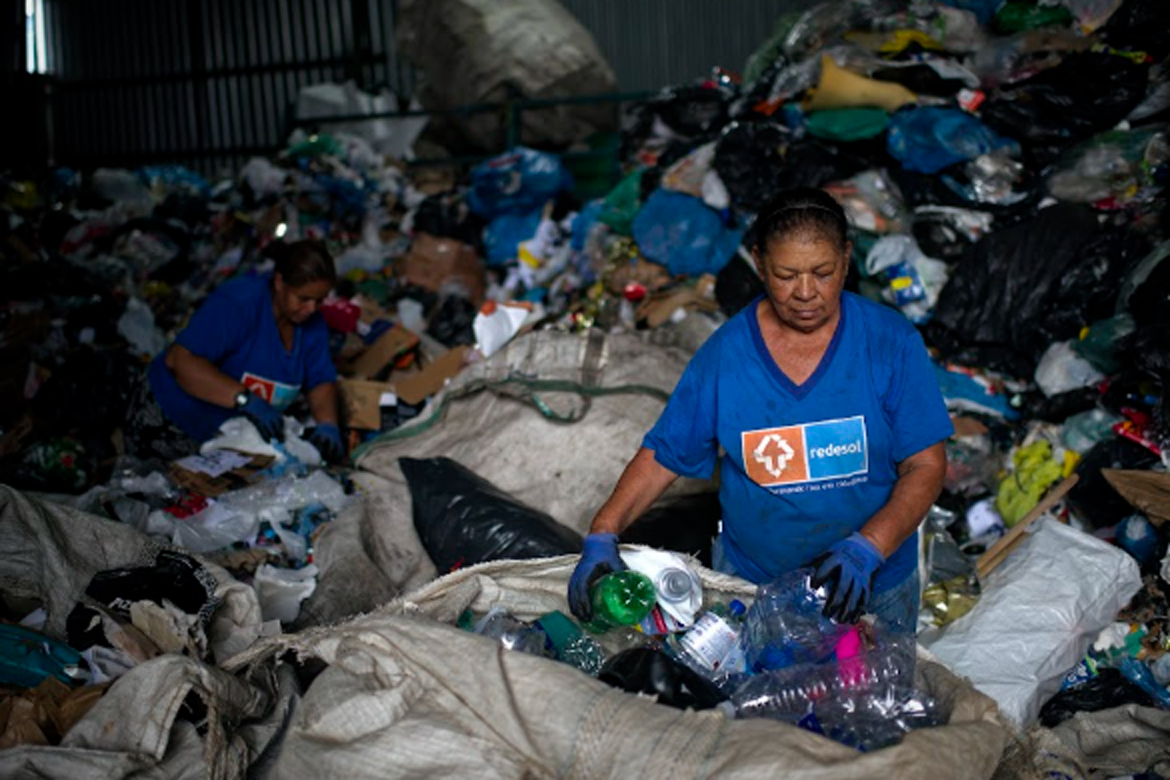
Worrying about the next rain is part of the routine at many cooperatives. Women waste pickers sorting materials at Coomarp, in an area of the warehouse that floods when it rains. Photo: Ana Caroline de Lima, 2026

When heavy rain hits, the problem does not end once the water recedes. Warehouses flood, materials get wet, equipment is damaged, and production must be partially put on hold. Paper and cardboard lose value, sales are delayed, and income falls precisely for those who already earn very little. The stoppage also disrupts the recovery of recyclable materials, affecting the city’s waste management.

Heat, however, tells a different story…

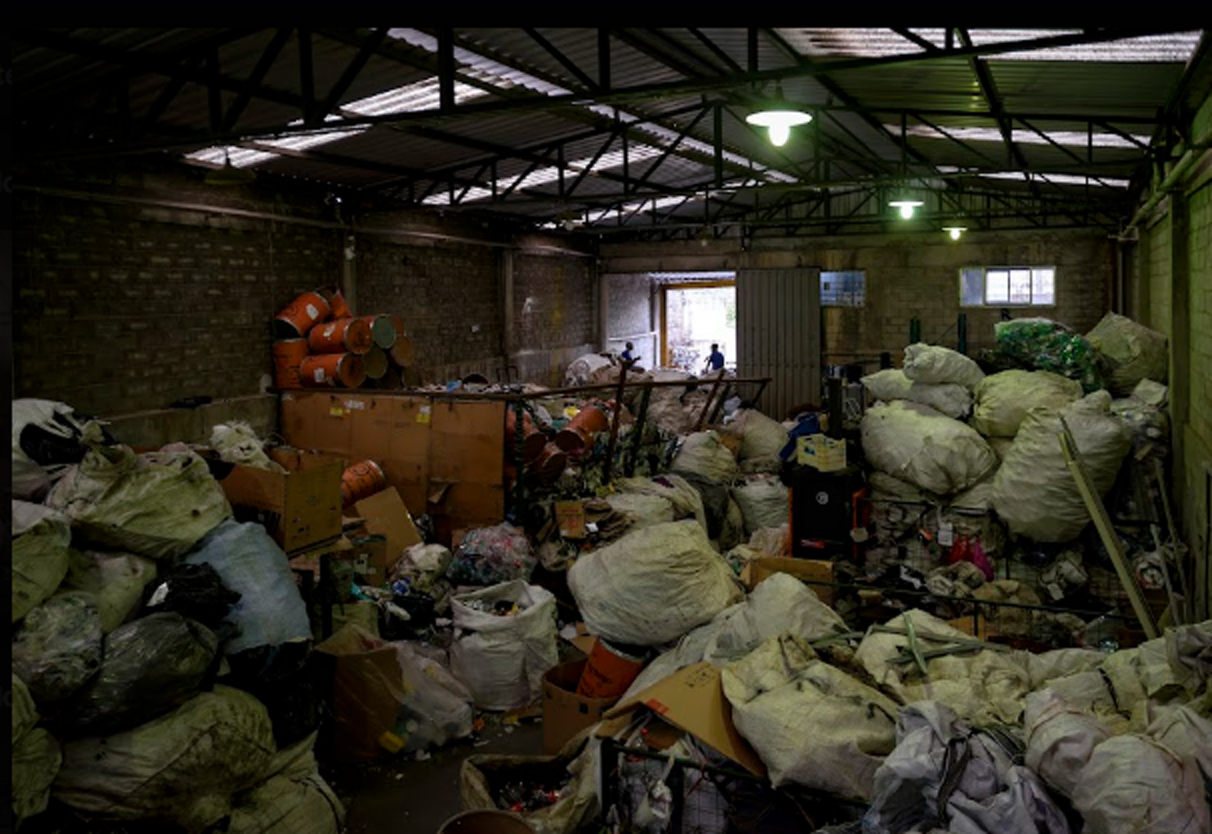
In many warehouses, temperatures rise quickly over the course of the day. Coomarp warehouse, Belo Horizonte. Photo: Ana Caroline de Lima, 2026

“About the really intense heat wave, [it feels] like we are in a pressure cooker. We were dripping [with sweat] in the warehouse; there is no airflow anywhere. We sent the members home, and now there is a lot of turnover, people getting sick, down with the flu, people missing.” Suellen Ramos, president of Nova Recicla

Unlike floods, heat does not always interrupt activities. Work goes on, but with more breaks, a slower pace, and early departures.

In Manaus, Andréia Soares da Silva, a leader of the Waste Pickers’ Association of Manaus (Associação de Catadores de Materiais Recicláveis de Manaus, ASCARMAN), describes the lack of ventilation in the warehouse:

Warehouse infrastructure directly shapes how workers cope with extreme weather events. The Associrecicle warehouse in Belo Horizonte has poor ventilation, causing thermal discomfort on hot days. Photo: Ana Caroline de Lima, 2026.

“There are no fans or exhaust fans in the warehouse, just the gates to let air in, so that makes the heat a lot worse (…) the thermometer in the room hit 42°C. That is why, a few times, [the members] even left early because of the heat.” Andréia Soares da Silva, a leader of ASCARMAN.

Workers finding ways to carry on

The monitoring showed that cooperatives reorganize their work to cope with these events and are absorbing these costs themselves. On hot days, workers start earlier, take longer lunch breaks, and extend the workday to make up for lost production. These measures help preserve income, but they increase physical strain. Installing fans eases the heat but does not solve air circulation problems in these spaces. During heavy rains, electrical hazards, roof leaks, and indoor flooding lead to work stoppages. Workers improvise ways to protect materials but cannot always avoid losses. These are necessary responses, but insufficient given the lack of resources and contingency plans.

Investing in waste pickers’ workplace infrastructure

The findings of WIEGO’s monitoring system reinforce the need for investment in climate-resilient work infrastructure and measures defined by the workers themselves. To cope with heat, warehouses need thermal insulation on roofs, ventilation, drinking water, and rest areas. Against heavy rain and flooding, priorities include drainage systems, maintenance of electrical installations, and structural repairs. These measures require funding. Although they provide selective waste collection services to cities, many cooperatives lack adequate contracts, compensation, and infrastructure. Cooperatives also need to take part in municipal climate prevention and adaptation plans, with income protection mechanisms during work interruptions.

Making these experiences visible is a key step toward building public climate adaptation policies together with waste pickers. Coopesol Leste sorting team in Belo Horizonte, Minas Gerais. Photo: Ana Caroline de Lima, 2026.

Taking care of waste pickers’ workspaces means strengthening recycling and urban resilience…

The impacts of climate change on waste pickers’ work are already part of everyday life for many cooperatives.

Making this reality visible is only the first step. The challenge now is to ensure that climate adaptation also happens where recycling happens. Because building resilient cities cannot happen without protecting those who help keep them running.