Across Africa, millions of people earn a living through informal work. Yet many still lack effective protection of the rights they are guaranteed in the African Charter on Human and Peoples’ Rights.
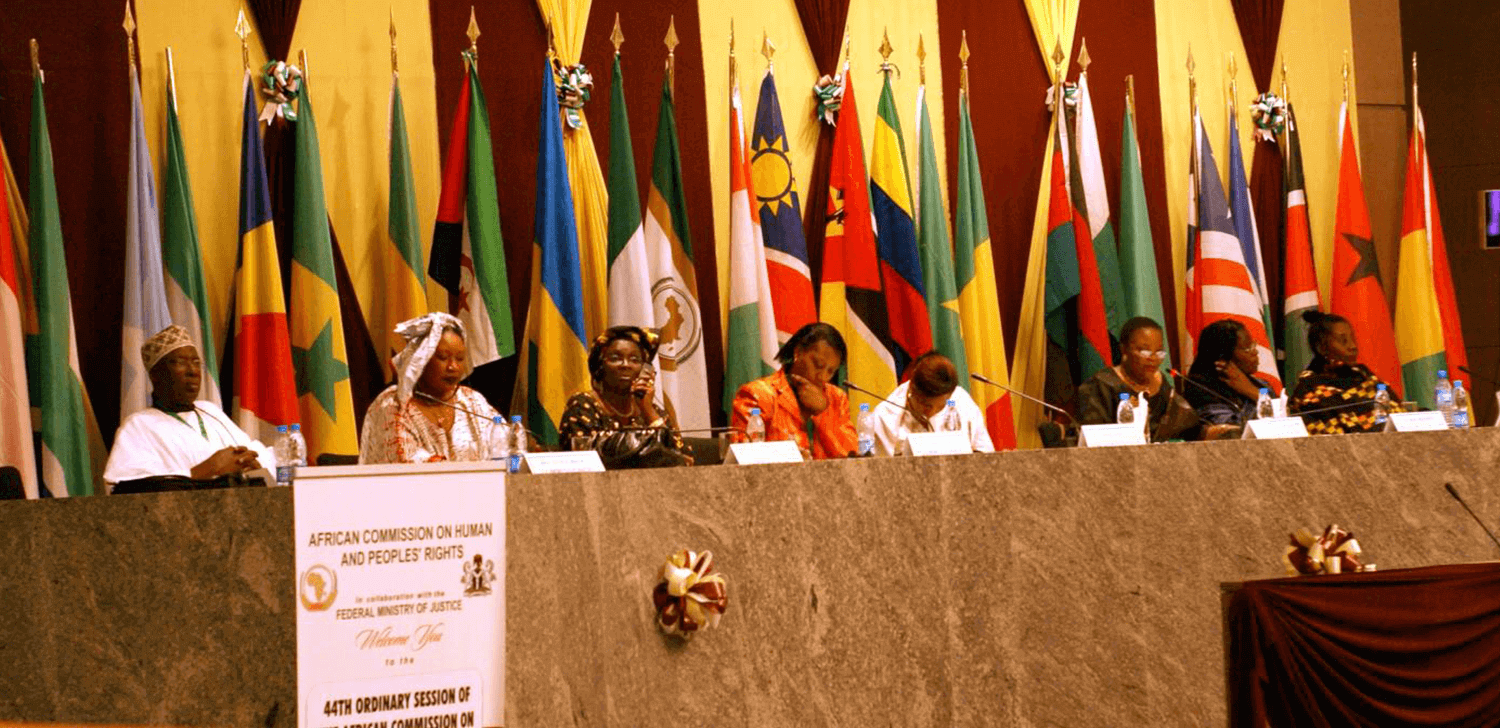
To help close this gap, the African Commission on Human and Peoples’ Rights is developing guidelines to clarify how governments’ human rights obligations apply to workers in the informal economy and provide a practical roadmap for adapting laws and policies to their needs and challenges, taking into account Africa’s economic, social and political realities.
The Guidelines identify measures to prevent actions that threaten workers’ livelihoods, while guiding governments towards a rights-based transition from informal to formal work. They provide practical recommendations on labour protections, social security, occupational health and safety, and meaningful engagement with workers and their representative organisations.
Have your say
The Commission is inviting comments on the draft Guidelines until 21 September 2026. Workers’ organizations, governments, civil society, experts and other stakeholders are encouraged to submit practical suggestions to help strengthen the Guidelines.
How and where to submit comments
- Submit comments via email to: au-banjul@africanunion.org; mangaa@africanunion.org
- E-mail subject line: Comments on the Guidelines on the Protection of the Rights of Workers in the Informal Economy in Africa
- Word limit: 2000 words
- File format: Word document
- Accepted languages: English, French and Portuguese
Why do the Guidelines matter?
The Guidelines build on existing protections under the African Charter on Human and Peoples’ Rights, the Maputo Protocol, and the Pretoria Declaration on Economic, Social and Cultural Rights in Africa. While they are not binding, they help hold governments accountable and support worker organizations across the continent to push for reforms.
They are being developed by the African Commission’s Working Group on Economic, Social and Cultural Rights in Africa, through a drafting committee led by the International Lawyers Assisting Workers (ILAW) Network. WIEGO has participated in the drafting committee and engaged worker organisations to help ensure their priorities are reflected.
This is an opportunity to help shape an important regional framework for protecting the rights of workers in the informal economy. Submit your comments by 21 September.
Learn more
Watch this short video to learn about the African Charter, how it protects workers in the informal economy, and how the new Guidelines could influence laws and policies across Africa.